


Ultimate Layover Guide, Tips and Advice

This article is a comprehensive guide to airport layovers, including what to do before leaving the terminal, how to spend a long connection, what to pack, and how to avoid common travel problems. Use these practical tips and recommendations to make your next layover safer, more comfortable, and as stress-free as possible.
There is a common belief that waiting at an airport between connecting flights is a sentence to hours of boredom. In reality, a layover can become an opportunity to rest, enjoy a meal, catch up on work, explore an unfamiliar city, or simply recover before the next part of your journey.
The most important step is to be informed. Travelers often need to determine whether they can leave the airport, whether they need a visa, what happens to checked luggage, how early they should return, and what facilities are available inside the terminal. With a little preparation, even a long layover can become an enjoyable and useful part of your trip.
Information You Should Know Before Your Layover
How long is your layover?
The length of your connection determines what you can realistically do. A short layover may only give you enough time to change terminals, pass through security, and reach your next gate. A longer connection may provide enough time to eat, visit a lounge, sleep in a transit hotel, or leave the airport.
Remember that the full layover duration is not the same as your available free time. You may need to account for:
• Disembarking the aircraft.
• Walking or taking a train between terminals.
• Immigration and customs.
• Collecting and rechecking luggage.
• Security screening.
• Transportation into the city.
• Returning to the airport before boarding.
• Unexpected flight, traffic, or transit delays.
As a general guideline, layovers of less than four or five hours are usually best spent inside the airport. A connection of eight hours or more may provide enough time to leave, depending on the airport’s location, immigration procedures, and transportation options.
What time of day is your layover?
The time of your connection affects what services and activities are available. A daytime layover may allow you to explore nearby attractions, use public transportation, visit restaurants, or join an organized transit tour.
An overnight layover may be more complicated. Public transportation may operate less frequently, attractions may be closed, and some airport terminals may close after the final departure. Safety, transportation availability, and the cost of late-night taxis should also be considered.
If your connection is overnight, check whether the airport has:
• A 24-hour terminal.
• An airside transit hotel.
• A nearby airport hotel with a shuttle.
• Sleeping pods or capsule rooms.
• Lounges open overnight.
• Designated quiet or rest areas.
Read our transit hotel and airport hotel guide for more information about accommodation during a layover.
Are you connecting to a domestic or international flight?
Domestic and international connections can involve very different procedures. During a domestic connection, you may be able to move between gates without passing through immigration or collecting your baggage.
International layovers may require additional passport checks, customs procedures, security screening, or terminal transfers. Whether you can leave the airport may depend on your nationality, destination, airport, ticket type, and visa status.
You should confirm whether you need to pass through immigration or obtain a transit visa. Even when you are not planning to leave the airport, certain nationalities may still require a transit visa.
Are your flights booked on one ticket?
This is especially important. When connecting flights are booked on one itinerary, the airline is usually responsible for helping you if the first flight is delayed and causes you to miss the second flight.
With separate tickets or a self-transfer, you may need to:
• Collect and recheck your luggage.
• Pass through immigration.
• Change terminals or airports.
• Complete another check-in process.
• Pay for a new flight if the first flight is delayed.
Self-transfer connections generally require much more time. Leave a generous buffer and consider travel insurance that includes missed-connection coverage.
Everything You Should Know Before Leaving the Airport During a Layover
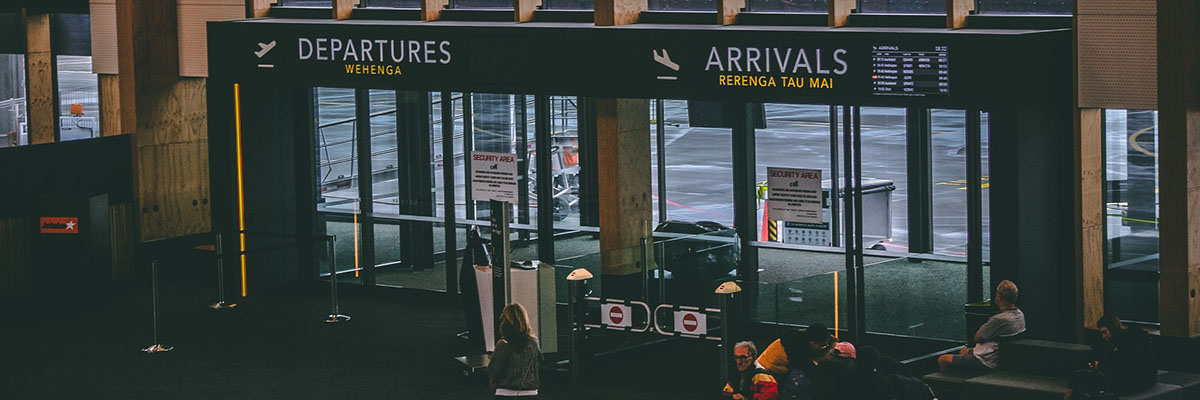
Can you legally enter the country?
Before leaving the airport, confirm that you meet the destination country’s entry requirements. Depending on your passport, you may need a regular visa, visa on arrival, electronic travel authorization, or transit visa.
Do not assume that a short visit automatically exempts you from immigration requirements. You may also need proof of onward travel, sufficient funds, an accommodation address, or a passport valid for a minimum period.
Check official government immigration or embassy websites before traveling. Airline staff can provide general guidance, but border authorities make the final decision regarding entry.
How far is the airport from the city?
Many major airports are located far from downtown areas. A city may appear close on a map, but traffic, transfers, waiting times, and limited public transportation can significantly reduce the time available for sightseeing.
Before leaving, research:
• Airport train or metro schedules.
• Travel time in both directions.
• Taxi or rideshare prices.
• Traffic during the time of day.
• The location of your chosen attractions.
• Backup transportation options.
• The last train or bus back to the airport.
Choose attractions near a direct transportation route rather than trying to visit several distant locations.
Is the destination safe and easy to navigate?
Research the local safety situation, common scams, transportation practices, and neighborhoods to avoid. Keep your sightseeing plan simple and avoid carrying unnecessary valuables.
It is also useful to know whether cards are widely accepted or whether you need local cash. If you withdraw money, use an official bank ATM whenever possible and avoid unlicensed currency exchange counters.
Make sure your phone has working internet access if you plan to use maps, translation tools, rideshare services, or digital tickets. You may want to carry a travel eSIM or arrange a local SIM before leaving the airport.
What transportation should you use?
Research your airport transportation options before arriving. Official trains, airport buses, and licensed taxi stands are usually easier and safer than accepting unsolicited transportation offers.
If rideshare services such as Uber, Lyft, Grab, or Bolt operate at the airport, confirm the official pickup area. Some airports require passengers to take a shuttle to a designated rideshare zone.
Avoid drivers who approach you inside the terminal and claim that official transportation is unavailable. Confirm the fare before entering a taxi when meters are not commonly used.
How much time should you allow before returning?
Plan to arrive back at the airport at least two to three hours before an international departure and about two hours before a domestic flight. Add more time when:
• The airport is large or unfamiliar.
• You need to check in again.
• You must recheck luggage.
• Security lines are known to be long.
• Exit immigration is required.
• Your departure terminal is far away.
• You are traveling during a busy holiday period.
Always check the boarding time, not only the scheduled departure time. Boarding may close 20 to 60 minutes before departure, depending on the airline and airport.
What to Do Before Leaving the Airport
Confirm your next flight details
Check the terminal, gate, boarding time, and flight status before leaving. Gates can change, so enable notifications in your airline’s app and continue checking throughout the layover.
Take a screenshot of your boarding pass and airport information in case you lose internet access.
Make sure you have the correct documents
Carry your passport, visa, boarding pass, hotel confirmation if required, and proof of onward travel. Store digital copies securely on your phone or cloud storage.
A travel document organizer can help keep passports, boarding passes, cards, and receipts together.
Confirm what happens to your checked baggage
Ask the check-in agent whether your luggage is checked through to your final destination. Check the baggage tag to see which airport code appears as the final destination.
You may need to collect and recheck your bag if:
• The flights are on separate tickets.
• You are changing airlines without an interline agreement.
• Customs rules require baggage collection.
• You are changing airports.
• The layover is unusually long or overnight.
Read our checked luggage during a layover FAQ for more details.
Find a safe place to store your luggage
If you have your bags with you, look for airport lockers, a staffed left-luggage counter, luggage storage companies, or storage at a nearby hotel.
Remove passports, medication, electronics, cash, keys, and other valuables before storing luggage. Keep the storage receipt and confirm the closing time.
A TSA-approved luggage lock and a luggage tracker can provide additional security and help you locate a misplaced bag.
Everything You Should Know if You Stay Inside the Airport
Research airport facilities in advance
If you know which airport you will transit through, visit its official website before departure. Many large airports provide far more than restaurants and boarding gates.
Depending on the airport, you may find:
• Airport lounges.
• Transit hotels.
• Sleeping pods.
• Showers.
• Spas and massage services.
• Movie theaters.
• Play areas for children.
• Prayer or meditation rooms.
• Indoor gardens.
• Museums and art exhibits.
• Observation decks.
• Fitness facilities.
• Free city tours.
• Shopping malls.
For example, Singapore Changi Airport is known for Jewel Changi, an entertainment and retail complex featuring gardens and a large indoor waterfall. Seoul Incheon Airport offers cultural experiences, performances, rest zones, showers, and numerous passenger amenities.
Your connecting airport may not have a waterfall or museum, but it could still offer quiet seating, family rooms, free Wi-Fi, sleeping areas, or other useful facilities.
Consider using an airport lounge
An airport lounge can make a long connection considerably more comfortable. Lounges may provide:
• Meals and snacks.
• Drinks.
• Comfortable seating.
• Wi-Fi.
• Charging outlets.
• Workspaces.
• Showers.
• Family rooms.
• Nap areas.
Access may be included with a premium ticket, frequent-flyer status, credit card benefit, lounge membership, or day pass. Check the lounge’s terminal, opening hours, guest rules, and maximum stay policy.
Use our Airport Lounge Finder to search for lounges at your connecting airport.
Book a sleeping pod or airport hotel
For an overnight or particularly long layover, a proper sleeping space may be worth the cost. Some airports offer hourly transit hotel rooms, capsule rooms, nap pods, or day-use hotel bookings.
Confirm whether the property is airside or landside. A landside hotel usually requires you to pass through immigration, while an airside hotel may only be available to international transit passengers.
Use the Airport Hotel Finder to look for hotels and sleeping options.
Find a safe and comfortable place to rest
If you plan to sleep in the terminal, choose a well-lit area near other travelers and security staff. Avoid blocking walkways or emergency exits.
Keep your belongings secure. Place your bag between your body and the wall, loop a strap around your arm or leg, and keep passports and money in an inside pocket or travel money belt.
A compact travel blanket and pillow set can make terminal seating more comfortable.
Useful Things to Do During a Long Layover
Eat a proper meal
Use the layover to eat something more substantial than airplane food. Check airport restaurant opening hours in advance, especially if your connection is late at night.
Take a shower
Some airports provide paid shower facilities, while others include showers inside lounges or transit hotels. A shower can make a significant difference after a long flight.
Pack a small travel toiletry kit with a toothbrush, toothpaste, deodorant, face wipes, and other essentials.
Stretch and walk around
Long periods of sitting can leave you stiff and uncomfortable. Walk through the terminal, stretch your legs, and avoid sitting in one place throughout the entire connection.
Catch up on work
A quiet lounge, café, or business area can be useful for answering emails or completing work. Keep sensitive information private when using public Wi-Fi and consider using a trusted VPN.
Download entertainment
Airport Wi-Fi can be slow or unreliable. Download movies, podcasts, books, music, and maps before your trip.
Explore airport attractions
Some airports feature unique attractions, cultural displays, gardens, observation decks, or shopping areas. Check the airport directory before arrival so you do not miss something interesting.
Things You Should Always Pack for a Long Layover

Packing lightly can help you avoid excess baggage fees, but certain items are especially useful during a long layover. Keep essential supplies in your carry-on because you may not have access to your checked luggage.
• Carry a reusable water bottle
Airport drinks can be expensive, and staying hydrated is important during long flights and connections. Bring an empty reusable bottle through security and fill it at a water station afterward.
Choose a lightweight, leak-resistant bottle that fits easily inside your carry-on. Some travelers prefer collapsible bottles because they take up less room when empty.
• Pack travel-friendly snacks
Solid snacks are generally allowed through airport security, although regulations vary by country. Pack foods such as nuts, granola bars, crackers, dried fruit, or cookies.
Avoid strongly scented, messy, or highly perishable items. International destinations may restrict fresh fruit, meat, dairy products, or other agricultural goods, so consume or dispose of restricted food before passing through customs.
• Bring an airline-approved portable power bank
Airport charging stations can be crowded, unavailable, or located far from your gate. A power bank allows you to keep your phone charged for boarding passes, maps, messages, and flight notifications.
Lithium power banks generally must be carried in cabin baggage rather than checked luggage. Check the battery capacity and your airline’s current restrictions before traveling.
• Pack a universal travel adapter
Electrical outlets vary by country. A universal adapter can help you charge your devices during an international connection.
An adapter changes the plug shape but may not convert voltage. Check whether your electronics support the local voltage before plugging them in.
• Pack a tablet, e-reader, or book
Entertainment can make a long connection feel much shorter. Download movies, television shows, games, podcasts, and books before leaving home.
A tablet may also help keep children entertained. Bring headphones so you do not disturb other passengers.
• Bring a supportive travel pillow
A compact travel pillow can provide support while resting on an airplane, in a lounge, or at the gate. Inflatable pillows are easy to pack, while memory foam designs may offer better comfort.
• Pack a light blanket, scarf, or sweater
Airports and airplanes can feel cold, especially overnight. A large scarf, lightweight blanket, sweater, or jacket can provide warmth and may also serve as a pillow.
Dress in layers so you can adjust to changing temperatures.
• Carry earplugs or noise-canceling headphones
Announcements, cleaning equipment, crowds, and nearby conversations can make it difficult to rest. Earplugs or noise-canceling headphones can reduce distractions while sleeping, reading, or watching a movie.
• Bring a sleep mask
Airport lighting often remains bright throughout the night. A comfortable eye mask can make it easier to rest in the terminal, on the plane, or in a lounge.
• Pack travel-size toiletries
Useful hygiene items include:
• Toothbrush and toothpaste.
• Deodorant.
• Face wipes.
• Hand sanitizer.
• Moisturizer.
• Lip balm.
• Hairbrush.
• Contact lens supplies.
• Prescription medication.
Keep liquids within applicable security limits and place them in a clear, resealable bag when required.
• Use packing cubes
Packing cubes can help organize clothing, toiletries, electronics, and other supplies. Keep a clean shirt, underwear, and socks in an easy-to-reach cube so you do not need to unpack your entire carry-on.
• Use a luggage tracker
A Bluetooth or GPS-compatible luggage tracker may help you locate a bag that is delayed or sent to the wrong airport. Place one inside checked luggage and another inside your carry-on when appropriate.
Tracking devices do not replace airline baggage tracing systems, but they can provide helpful location information.
• Carry medication and important documents
Never place essential medication, passports, visas, boarding passes, valuables, or important documents inside checked baggage.
Bring enough medication for the entire journey plus an additional supply in case of delays. Keep prescription labels and any required medical documentation with you.
How to Avoid Missing Your Connecting Flight
Missing a connection can turn a pleasant layover into a stressful and expensive situation. Follow these precautions:
• Check your gate and terminal as soon as you land.
• Enable airline app notifications.
• Allow extra time for immigration and security.
• Do not travel too far from the airport.
• Set multiple alarms if you plan to sleep.
• Keep your boarding pass accessible.
• Ask airport staff for directions when unsure.
• Avoid waiting until the last minute to return to the gate.
Read our guide on how not to miss your connecting flight during a layover for more detailed advice.
What to Do if Your Layover Becomes Longer Than Expected
Flight delays, cancellations, missed connections, and weather disruptions can unexpectedly extend your layover.
If this happens:
• Check the airline app for automatic rebooking.
• Contact the airline’s transfer desk.
• Ask whether meals or hotel accommodation are provided.
• Keep receipts for necessary expenses.
• Confirm what happens to your luggage.
• Contact your travel insurer.
• Avoid booking a replacement flight until the airline explains your options.
If the disruption is caused by the airline, you may be entitled to rebooking, accommodation, meals, or compensation, depending on the route and applicable passenger-protection laws.
Final Layover Tips
An airport layover does not have to be wasted time. With proper preparation, you can use the connection to rest, explore a new destination, enjoy airport facilities, catch up on work, or prepare for the next part of your journey.
Before traveling, research your connecting airport, confirm visa and baggage requirements, check transportation options, and pack useful comfort items in your carry-on. If you leave the airport, plan conservatively and return well before boarding.
Whether you spend your layover inside a lounge, sleeping at the terminal, visiting a nearby city, or relaxing in an airport hotel, the key is to remain informed, organized, and flexible. A well-planned layover can become one of the most comfortable and memorable parts of your trip.
About YourLayoverGuide.com

Do you have a long layover? We're here to help! Find things to do and read our airport guide for different cities and airports around the world! learn more...
Recent Posts
- SIM Card at Tijuana General Abelardo L. Rodríguez Airport (TIJ)
- Luggage Storage at Tijuana General Abelardo L. Rodríguez Airport (TIJ)
- Tijuana General Abelardo L. Rodríguez Airport Hotels & Sleeping Pods
- SIM Card at Kyiv (Zhuliany) Airport (IEV)
- Kyiv (Zhuliany) Airport Hotels & Sleeping Pods
- all airports | all destinations
Popular Posts
 Luggage Storage at Vancouver Airport (YVR)
  Tijuana General Abelardo L. Rodríguez Airport Hotels & Sleeping Pods
  Luggage Storage at Boston Logan Airport (BOS)
  Tehran Mehrabad Airport Hotels & Sleeping Pods
  Manila Ninoy Aquino Airport Hotels & Sleeping Pods
  Luggage Storage at Tijuana General Abelardo L. Rodríguez Airport (TIJ)
  SIM Card at Ulaanbaatar Chinggis Khaan Airport (ULN)
  Luggage Storage at Kyiv (Zhuliany) Airport (IEV)
  Luggage Storage at Philadelphia Airport (PHL)
  Luggage Storage at Tehran Mehrabad Airport (THR)