


Airport Transportation Tips and Guide (Don’t Get Scam!)

The thought of traveling can bring excitement to some people and anxiety to others. Travelers who feel nervous may have experienced previous problems, such as getting lost after leaving the airport, paying too much for a taxi, missing a transfer, or struggling to communicate in an unfamiliar destination.
Travel anxiety can often be reduced with proper preparation. Even when a trip does not go exactly as planned, having backup transportation options, saved directions, emergency contact details, and a clear arrival plan can make the situation easier to manage.
First-time airport arrivals can feel overwhelming, but both new and experienced travelers can benefit from researching airport transportation before departure. This guide explains how to compare taxis, trains, buses, hotel shuttles, rideshare services, private transfers, and other transportation options while avoiding common scams and unnecessary expenses.
Best Resources for Planning Airport Transportation
• Official airport website
The airport’s official website should be your first source of information. Search for the airport’s name and confirm that you are visiting the official domain rather than an advertisement or unofficial travel page.
Airport websites commonly provide information about:
• Taxi pickup zones.
• Airport trains and metro services.
• Bus routes and schedules.
• Hotel shuttle locations.
• Rideshare pickup areas.
• Car rental facilities.
• Terminal transfer buses.
• Accessibility services.
• Road closures and construction notices.
• Contact information for the airport transportation desk.
Look for sections titled “Getting to and from the airport,” “Ground transportation,” “Transport,” or “Access.”
• Airline website and app
Some airlines provide airport arrival guides inside their websites or mobile apps. These may explain where to collect luggage, how to transfer terminals, where to find official taxis, and whether the airline offers a shuttle or stopover service.
Download the airline app before departure and save your flight details, terminal information, and boarding pass for offline access.
• Google Maps, Apple Maps, and Citymapper
Google Maps is useful for checking the location of the airport, comparing transportation methods, estimating travel time, viewing traffic, and identifying nearby train or bus stations.
Apple Maps and Citymapper may be useful alternatives, depending on the destination. Some cities also have official public transportation apps that provide more accurate schedules, platform information, service alerts, and fare details.
Before traveling, save the airport, hotel, railway station, and other important destinations in your map app. Download an offline map when possible in case mobile data is unavailable after arrival.
A travel phone holder can make it easier to view directions while moving through an airport, station, or vehicle.
• Airport and destination guides
Detailed airport guides can provide practical information from a traveler’s perspective, including transportation prices, terminal layouts, common scams, luggage storage, airport hotels, and travel times to the city.
Traveler reviews and forums can also be useful, but check the date of the information. Transportation routes, fares, pickup locations, and local regulations can change.
• Hotel website or customer service
Before arranging separate transportation, ask whether your hotel provides a free or paid airport shuttle. Some hotels require advance reservations, while others operate on a fixed schedule.
Confirm:
• Whether the shuttle is free.
• Where the pickup point is located.
• Whether reservations are required.
• The hours of operation.
• The hotel’s contact number.
• Whether the shuttle displays the hotel’s name.
• How long you should expect to wait.
Do not enter an unmarked vehicle merely because the driver claims to work for your hotel. Confirm the vehicle description or driver name directly with the hotel.
• Local public transportation website
The city’s official transit website can provide current information about train, metro, tram, and bus fares. It may also explain how to purchase tickets, whether contactless payment is accepted, and whether airport surcharges apply.
Check for service interruptions, overnight schedules, luggage restrictions, and maintenance closures before relying on public transportation.
General Airport Transportation Tips
• Pre-book transportation when appropriate
Pre-booking a private airport transfer can be reassuring for travelers who feel anxious, arrive late at night, carry heavy luggage, travel with children, or visit a destination where public transportation is difficult to navigate.
A legitimate booking should include:
• The company name.
• Driver or vehicle information.
• A confirmed price.
• Pickup instructions.
• Contact details.
• A cancellation policy.
• Instructions for flight delays.
Avoid sending money directly to an unknown driver without receiving a proper confirmation.
• Create a clear arrival plan
Anxiety often increases when travelers feel they have no control over what happens next. A simple step-by-step plan can make your arrival much easier.
Your plan may include:
1. Pass through immigration.
2. Collect checked luggage.
3. Withdraw or exchange a small amount of money if necessary.
4. Activate mobile data or connect to airport Wi-Fi.
5. Follow signs to the official transportation zone.
6. Confirm the fare or ticket before boarding.
7. Send your route or vehicle details to a trusted person.
8. Keep your hotel address available in the local language.
Store the plan on your phone and keep a printed copy as a backup.
• Keep the destination address available offline
Save the full hotel or accommodation address, telephone number, and booking confirmation before departure.
It can also help to save the address written in the local language. This is particularly useful when communicating with taxi drivers who may not read English.
A travel document organizer can help keep printed confirmations, train tickets, passports, cards, and receipts together.
• Arrange mobile internet before arrival
Reliable internet access makes it easier to use maps, contact your hotel, request a rideshare, translate messages, check fares, and report a problem.
You can arrange an eSIM before departure, purchase a physical SIM at the airport, or use airport Wi-Fi temporarily. Read our guide to eSIM cards versus physical SIM cards to compare the options.
A portable travel Wi-Fi hotspot may also be useful for families, groups, or travelers carrying several devices.
• Carry backup payment methods
Do not rely on only one bank card, payment app, or source of cash. Some taxis, ticket machines, or local buses may not accept foreign cards.
Carry:
• At least two payment cards stored separately.
• A modest amount of local currency.
• A digital wallet if widely accepted.
• Emergency cash stored securely.
Avoid displaying large amounts of money in public.
• Allow extra travel time
Transportation delays can happen because of traffic, road closures, crowded trains, weather, accidents, security checkpoints, or unfamiliar stations.
When traveling to the airport for a departure or returning during a layover, allow more time than the map estimate. Airline staff are generally not responsible when a passenger misses a flight because of road traffic, a late train, or an incorrect transportation choice.
Read our guide on how not to miss your connecting flight during a layover for additional timing advice.
Reasons to Research Airport Transportation

• Safety and security
Researching transportation reduces the risk of entering an unlicensed vehicle, being taken to the wrong location, paying an inflated fare, or becoming stranded.
Most drivers are honest professionals, but travelers may occasionally encounter:
• Unlicensed taxi operators.
• Fake hotel shuttle drivers.
• Drivers who refuse to use the meter.
• Excessive luggage fees.
• Unnecessary detours.
• Drivers claiming that roads or hotels are closed.
• Payment card switching or incorrect change.
• Aggressive touts inside the terminal.
Use only official pickup areas and verify the driver, vehicle, and destination before leaving.
• Navigation
Understanding the available transportation options helps you plan the complete route from the terminal to your accommodation.
A trip may involve several stages, such as:
• Airport shuttle to a train station.
• Train to the city center.
• Metro transfer.
• Short walk to the hotel.
Check whether stations have elevators or escalators if you are carrying large luggage. Also confirm how far you must walk between connections.
• Cost control
Airport taxis and private transfers can be expensive, especially when the airport is far from the city center. A train, metro, public bus, or shared shuttle may cost considerably less.
However, the cheapest option is not always the most practical. Public transportation may be difficult when:
• You arrive very late.
• You have several bags.
• You are traveling with young children.
• You have limited mobility.
• Several transfers are required.
• You are traveling as a group.
Compare the total cost for everyone. A taxi or private transfer may be reasonably priced when split among several passengers.
• Finding alternatives
Research can reveal options you may not have considered, including:
• Airport express trains.
• Hotel shuttles.
• Shared minivans.
• Rideshare services.
• Public buses.
• Metro connections.
• Rental cars.
• Water taxis or ferries.
• Airport-to-airport transfer buses.
• Regional coaches.
Knowing several alternatives is helpful if your preferred service is unavailable.
• Avoiding delays
Some transportation methods may be fast during normal hours but unreliable during rush hour. Others may stop operating overnight.
Research the arrival time of your flight and compare it with transportation schedules. Also consider how long immigration and baggage collection may take.
How to Recognize and Avoid Common Airport Transportation Scams
• Ignore unsolicited drivers inside the terminal
At some airports, unofficial drivers approach arriving passengers and offer transportation. They may claim that the official taxi desk is closed, the train is not operating, or their service is cheaper.
Follow airport signs to the official taxi rank, transportation desk, shuttle area, or rideshare pickup zone instead.
• Confirm the fare before departure
Ask whether the trip uses a meter, fixed airport fare, zone rate, or negotiated price.
When a fixed fare is used, confirm whether it includes:
• Tolls.
• Airport fees.
• Luggage charges.
• Night surcharges.
• Credit card fees.
• Additional passengers.
Take a photo of the displayed fare chart when available.
• Verify rideshare vehicle details
Before entering a rideshare vehicle, confirm:
• The license plate.
• The vehicle make and color.
• The driver’s name and photo.
• Your name or booking code.
Do not ask the driver, “Are you here for me?” Instead, ask the driver to state the passenger’s name.
Use the app’s trip-sharing or emergency feature when available.
• Do not allow unexpected destination changes
A dishonest driver may claim that your hotel is closed, unsafe, overbooked, or difficult to reach and then offer to take you somewhere else for a commission.
Call your hotel directly before agreeing to any change.
• Watch the payment process
When paying with cash, count the amount carefully and confirm the currency. When paying by card, keep the card in sight and check the amount displayed before entering your PIN.
Request a receipt and save the vehicle or license number in case you need to report a problem.
• Track the route
Keep your map open during the journey and compare the route with the expected direction.
A different route is not automatically a scam because traffic or road closures may require detours. However, ask for an explanation if the vehicle travels far away from the expected route.
A portable phone charger helps ensure your phone remains available for navigation, communication, and emergency use.
Tips for Each Type of Airport Transportation
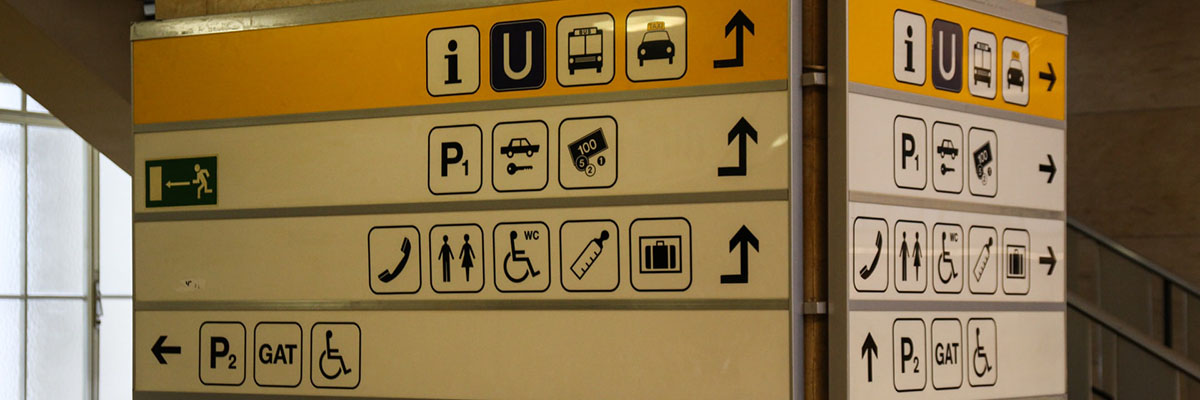
Transportation can use a significant portion of your available time, especially during a layover. Choose a service carefully and always allow a safety margin before your next flight.
Taxi
Check the airport website for official taxi companies, authorized pickup areas, and estimated fares.
At the airport:
• Follow signs to the official taxi queue.
• Avoid drivers soliciting passengers in the arrivals hall.
• Ask whether the fare is metered or fixed.
• Confirm card acceptance before entering.
• Check whether tolls and airport fees are included.
• Keep the hotel address available.
• Request a receipt.
• Note the taxi number or license plate.
In destinations where taxis are cash-only, withdraw a small amount from an official airport ATM rather than exchanging a large amount with an unofficial seller.
Rideshare services
Services such as Uber, Lyft, Grab, Bolt, DiDi, or Careem may operate at the airport, but pickup rules vary.
Some airports allow pickup directly outside arrivals, while others require passengers to walk or take a shuttle to a designated area.
Before booking:
• Confirm that the service legally operates at the airport.
• Check the official pickup zone.
• Compare the fare with an official taxi.
• Review surge pricing.
• Confirm the license plate and driver.
• Share the trip with a trusted contact.
Do not cancel the app booking and pay the driver privately unless you fully understand the risks. You may lose app-based tracking, insurance, and customer support.
Public buses
Airport buses are often the least expensive option, but they may take longer and make several stops.
Check:
• Where to buy tickets.
• Whether exact cash is required.
• Operating hours.
• Luggage rules.
• The final stop.
• Whether the bus continues past your destination.
• Night or holiday schedules.
Keep an eye on your luggage, particularly when it is stored in an external luggage compartment.
A secure anti-theft travel backpack may help protect important items while using crowded public transportation.
Airport express buses and coaches
Airport coaches are often more comfortable than standard public buses and may travel directly to major railway stations, hotels, or city districts.
They may provide:
• Reserved luggage storage.
• Air conditioning.
• Wi-Fi.
• Fewer stops.
• Online ticket booking.
Confirm the exact drop-off point because the advertised destination may be a large station or district rather than your hotel.
Trains and metro services
Airport trains are often the fastest and most reliable transportation option, especially during heavy road traffic.
Before using the train:
• Confirm which terminal has the station.
• Check the first and last service times.
• Compare express and local trains.
• Review fare zones and airport surcharges.
• Check whether reservations are required.
• Identify transfer stations.
• Allow enough time to change platforms.
• Check accessibility for luggage.
Some airport express services are significantly more expensive than local trains but save time and reduce transfers.
If a delayed train causes you to miss a connection, speak with station staff. Depending on the operator and ticket conditions, they may endorse the ticket, arrange an alternative, or explain the next available service.
Hotel shuttles
Hotel shuttles can be convenient, but the term “airport shuttle” does not always mean the service is free or available at all hours.
Ask the hotel:
• Whether advance booking is required.
• Which terminal and door to use.
• Whether the shuttle follows a schedule.
• How long the wait may be.
• Whether there is a fee.
• Whether the vehicle is shared with other hotels.
• What the vehicle looks like.
Keep the hotel phone number available in case you cannot locate the pickup area.
Shared airport shuttle
Shared vans and minibuses may offer door-to-door service at a lower price than a private car.
However, the journey may take longer because other passengers are dropped off first. This option is better when you are not in a hurry.
Confirm:
• Maximum waiting time.
• Number of stops.
• Luggage allowance.
• Cancellation policy.
• Whether the service tracks delayed flights.
Private airport transfer
A private transfer can be useful for late-night arrivals, families, large groups, travelers with mobility needs, or destinations with limited public transportation.
Book through a reputable provider and confirm whether the driver will meet you inside the terminal or at a designated pickup area.
Make sure the quoted rate includes all expected fees.
Rental car
Renting a car may be practical when your destination is outside the city, public transportation is limited, or you plan to visit several locations.
Before booking, research:
• Driver’s license requirements.
• International driving permit rules.
• Local traffic laws.
• Toll roads.
• Fuel policy.
• Deposit amount.
• Insurance coverage.
• Parking costs.
• Whether the rental counter is inside the terminal.
• Airport return procedures.
Photograph the vehicle before leaving the rental facility and report existing damage in writing.
A travel car phone mount can make navigation easier, but do not handle the phone while driving.
Airport Transportation During a Layover
Leaving the airport during a layover requires stricter time planning than traveling directly to a hotel after arrival.
Before leaving, confirm:
• You are legally permitted to enter the country.
• Your baggage is checked through or safely stored.
• You already have the next boarding pass.
• You know the departure terminal.
• Transportation operates when you need to return.
• You have enough time for security and immigration.
• Your phone is charged.
• You have a backup transportation option.
A six-hour layover does not provide six hours outside the airport. Immigration, transportation, security, and boarding can consume most of the available time.
Use our guide to determine how much layover time you need before leaving the airport.
Accessibility and Family Transportation Tips
Travelers with limited mobility
Contact the airline, airport, hotel, and transportation provider in advance if you require wheelchair assistance, an accessible vehicle, or extra boarding time.
Confirm whether the service can accommodate:
• Wheelchairs.
• Mobility scooters.
• Service animals.
• Foldable equipment.
• Additional luggage.
• A companion or caregiver.
Do not assume that every taxi or shuttle is wheelchair accessible.
Traveling with children
Research child-seat laws before arrival. Taxis and rideshares may not automatically provide infant or child seats.
You may need to pre-book a vehicle with an appropriate seat or bring a compact travel seat approved for your child.
A portable travel car seat may be useful, but verify local laws, airline requirements, and compatibility before purchasing or traveling.
Keep snacks, water, wipes, medication, and entertainment easy to access during the journey.
Useful Items for Airport Transportation
• Airline-approved power bank
Keeps your phone charged for maps, rideshare bookings, translation, and emergency communication.
• Travel document organizer
Keeps passports, tickets, cards, hotel details, and transportation confirmations together.
• Anti-theft crossbody bag
Provides quick access to essentials while keeping valuables close to your body.
• Travel money belt
Offers concealed storage for emergency cash, cards, and passport copies.
• Luggage tracker
May help locate bags during airport transfers or identify whether checked luggage arrived with you.
• TSA-approved luggage locks
Can discourage casual tampering and help keep luggage zippers secured.
• Collapsible water bottle
Provides convenient hydration without taking up much room when empty.
What to Do if Something Goes Wrong
If you cannot find your driver
Contact the transportation company using the number in your booking confirmation. Do not accept a ride from another person claiming to be a replacement unless the company confirms it.
If the taxi fare appears incorrect
Ask the driver to explain the meter, fixed fare, tolls, and surcharges. Photograph the meter or receipt if it is safe to do so.
Report disputes to the official airport taxi desk, local transportation authority, or police when necessary.
If you leave an item in a vehicle
Contact the taxi company, rideshare provider, hotel, or transportation operator immediately. Provide:
• Vehicle number.
• License plate.
• Driver name.
• Pickup and drop-off locations.
• Approximate time.
• Description of the missing item.
Keep all receipts because they can help identify the vehicle.
If public transportation stops operating
Use your backup plan. Return to the official airport or station transportation area, contact your hotel, or book a verified rideshare or taxi.
Avoid walking through unfamiliar areas late at night simply to save money.
If you are being followed or feel unsafe
Go to a busy, well-lit place such as a hotel lobby, police station, airport information desk, or open business. Contact local emergency services and share your live location with someone you trust.
Final Airport Transportation Tips
Airport transportation does not need to be stressful. Researching the available options before departure can help you avoid scams, reduce costs, save time, and arrive safely.
Use official airport information, save your destination address offline, arrange mobile internet, carry backup payment methods, and verify drivers before entering any vehicle. During a layover, remain conservative with your schedule and return to the airport well before boarding.
The best transportation option will depend on your arrival time, budget, luggage, group size, mobility needs, and destination. A train may be fastest, a public bus may be cheapest, a hotel shuttle may be easiest, and a private transfer may provide the most convenience.
By preparing several options and knowing what to expect, you can reduce uncertainty and begin your trip with greater confidence.
About YourLayoverGuide.com

Do you have a long layover? We're here to help! Find things to do and read our airport guide for different cities and airports around the world! learn more...
Recent Posts
- SIM Card at Tijuana General Abelardo L. Rodríguez Airport (TIJ)
- Luggage Storage at Tijuana General Abelardo L. Rodríguez Airport (TIJ)
- Tijuana General Abelardo L. Rodríguez Airport Hotels & Sleeping Pods
- SIM Card at Kyiv (Zhuliany) Airport (IEV)
- Kyiv (Zhuliany) Airport Hotels & Sleeping Pods
- all airports | all destinations
Popular Posts
 Luggage Storage at Vancouver Airport (YVR)
  Luggage Storage at Shanghai Pudong Airport (PVG)
  Luggage Storage at Boston Logan Airport (BOS)
  Tijuana General Abelardo L. Rodríguez Airport Hotels & Sleeping Pods
  Luggage Storage at Chicago O’Hare Airport (ORD)
  Montreal Airport (YUL) Lounge Access & Day Pass
  Luggage Storage at Ted Stevens Anchorage Airport (ANC)
  Luggage Storage at Santiago Arturo Merino Benítez Airport (SCL)
  Luggage Storage at Johannesburg O.R. Tambo Airport (JNB)
  Luggage Storage at Denpasar Ngurah Rai Airport (DPS)