


Transit Hotel and Sleeping at the Airport During Layover Guide

Flight delays and long layovers are common parts of modern air travel. It is normal to arrive at the airport and discover that your flight has been delayed due to weather conditions, technical issues, air traffic restrictions, crew availability, or other unexpected circumstances.
While some delays may only last a short time, others can continue for several hours or even overnight. Long delays can be exhausting, especially for passengers who have traveled long distances or are already tired from a previous flight.
Instead of spending uncomfortable hours sitting inside an airport terminal, travelers have several options to rest and recover. These include airport transit hotels, sleeping pods, airport lounges, and designated airport sleeping areas.
In this guide, we will explain how to find airport transit hotels, how sleeping pods work, and the best ways to sleep comfortably and safely during a long layover or flight delay.
How to Find the Nearest Airport Transit Hotel
Airport transit hotels are short-stay accommodations designed specifically for passengers with long layovers, overnight connections, or delayed flights.
Unlike regular hotels, transit hotels are usually located inside the airport terminal or very close to the airport. Their convenient location allows travelers to rest for a few hours without worrying about long transportation times or missing their next flight.
Many airport transit hotels offer services designed specifically for air travelers, including:
- Short-term bookings by the hour or overnight
- Easy access to airport terminals
- Wake-up calls
- Airport shuttle services
- Luggage storage
- Private rooms for resting between flights
Transit hotels are especially useful for passengers with overnight layovers because they provide a comfortable alternative to sleeping in airport seating.
Where Are Airport Transit Hotels Located?
Most major international airports have dedicated transit accommodation options.
Some hotels are located inside the secure transit area, meaning passengers do not need to pass through immigration or leave the airport. These are ideal for travelers with short connections or international transfers.
Other airport hotels are located outside the terminal but within a short distance of the airport. These may require passengers to go through immigration and use a shuttle, taxi, or airport transportation service.
Before booking, check whether the hotel is located:
- Inside the airport transit zone
- Inside the airport terminal
- Within walking distance of the airport
- Accessible by airport shuttle
How to Locate an Airport Transit Hotel
There are several ways to find a transit hotel during your layover.
1. Check the Airport Official Website
The airport website is one of the most reliable sources for finding nearby hotels, sleeping facilities, lounges, and passenger services.
Most international airports provide information about:
- Transit hotels
- Airport lounges
- Sleeping areas
- Nearby accommodations
2. Search Online Maps
Google Maps and other navigation apps are useful tools for finding hotels near an airport.
Search terms such as:
- “airport transit hotel”
- “airport hotel near terminal”
- “day room airport hotel”
- “hourly airport hotel”
can help you quickly find available options.
3. Ask Airport Staff
If you cannot find a suitable transit hotel, airport information desks can usually direct you to nearby accommodation options.
Airport staff can also provide information about:
- Hotel shuttle services
- Transit restrictions
- Terminal access
- Airline-provided accommodation
What to Consider Before Booking an Airport Transit Hotel
Not every airport hotel is suitable for every traveler. Before booking accommodation during a layover, consider the following factors.
• Location
The closer the hotel is to your terminal, the easier it will be to return for your connecting flight.
For short layovers, an airport hotel inside the terminal or transit area is usually the best option.
• Transit Visa Requirements
Some airport hotels are located outside the secure transit area.
If you need to leave the airport, check whether your passport requires a transit visa or entry permission.
• Check-In and Check-Out Times
Unlike traditional hotels, airport transit hotels often offer flexible booking options.
Some allow travelers to book rooms for only a few hours, which is useful for daytime layovers.
• Luggage Storage
Confirm whether the hotel provides luggage storage or whether you need to keep your bags with you.
A secure travel luggage lock can provide additional security when storing bags during a long layover.
• Rest Essentials
Even when staying at a transit hotel, keeping a few comfort items in your carry-on can make your rest period better.
Useful items include:
These small items can help you relax whether you are resting in a hotel, lounge, or airport sleeping area.
Sleeping Pods at the Airport Guide
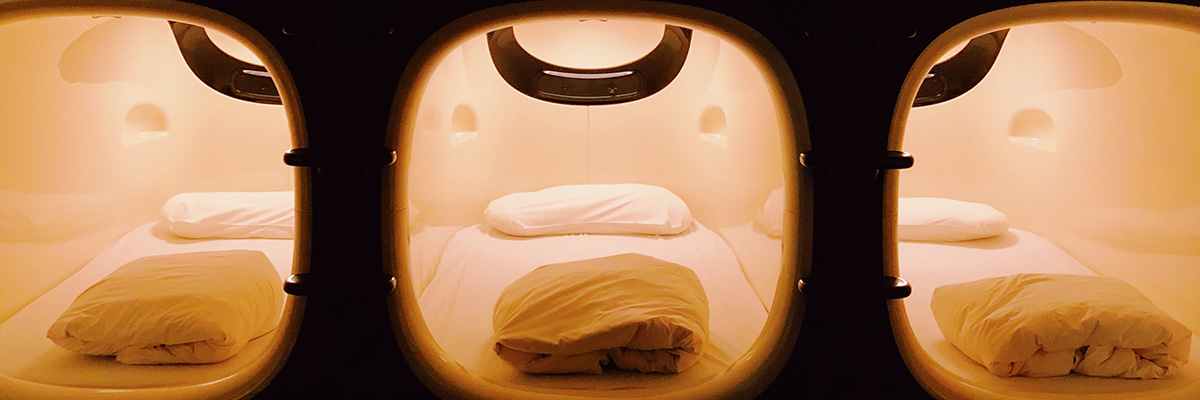
Another popular alternative to airport transit hotels is sleeping pods. These compact sleeping spaces are designed for passengers who need a place to rest during long layovers, overnight connections, or unexpected flight delays.
Airport sleeping pods are usually located inside airport terminals, allowing passengers to rest without leaving the airport. This makes them especially convenient for international travelers who may not have enough time to pass through immigration or travel to an outside hotel.
Unlike traditional hotels, sleeping pods are typically designed for short-term use and provide a private space where passengers can relax, sleep, or recharge before their next flight.
What Are Airport Sleeping Pods?
Airport sleeping pods are small private sleeping areas or capsule-style rooms located inside airports.
Depending on the airport and provider, sleeping pods may include:
- Comfortable sleeping surfaces
- Privacy curtains or enclosed spaces
- Reading lights
- Power outlets and USB charging ports
- Wi-Fi access
- Luggage storage areas
- Alarm or wake-up services
Some premium sleeping pods may also include reclining seats, entertainment systems, and additional privacy features.
Benefits of Sleeping Pods Compared to Transit Hotels
Sleeping pods offer several advantages, especially for passengers with shorter layovers.
• Convenient Airport Location
The biggest advantage of sleeping pods is location.
Since they are usually inside the airport terminal, passengers do not need to:
- Leave the airport
- Arrange transportation
- Pass through immigration again
- Risk missing their connecting flight
This makes sleeping pods ideal for travelers with limited connection time.
• More Affordable Than Hotels
Airport hotels can be expensive, especially when you only need a few hours of rest.
Sleeping pods are usually cheaper because they are designed for short stays instead of overnight accommodation.
• Saves Time
A transit hotel may require checking out, waiting for transportation, and returning through airport security.
With a sleeping pod, passengers can wake up and walk directly to their departure gate.
• More Privacy Than Airport Seating
Sleeping in an airport terminal can be uncomfortable because of noise, lighting, and crowds.
A sleeping pod provides a more private environment where travelers can relax without distractions.
What Should You Bring When Using a Sleeping Pod?
Although sleeping pods provide basic comfort, bringing a few personal travel items can improve your experience.
Useful items include:
These items can help you sleep more comfortably, especially during overnight layovers.
How to Find Sleeping Areas at the Airport (Sleeping at the Airport Guide)

Whether you can sleep at an airport depends on several factors, including airport rules, available facilities, your layover duration, and your personal comfort level.
Some airports are very sleep-friendly and provide dedicated resting areas, while others may restrict overnight sleeping or have limited seating options.
Before deciding to sleep at an airport, check:
- Whether the airport allows overnight sleeping
- Available seating and rest areas
- Airport opening hours
- Security restrictions
- Terminal access after midnight
Best Places to Sleep at an Airport
If you decide to sleep inside the airport, choose your location carefully.
Better sleeping locations often include:
- Quiet areas away from main walkways
- Airport lounges
- Dedicated rest zones
- Unused gates during overnight hours
- Airport hotels or sleeping pods
Avoid areas with heavy foot traffic, announcements, or frequent security activity.
Tips for Sleeping Safely at an Airport
Keep Your Valuables Secure
Never leave important belongings unattended while sleeping.
Keep your passport, wallet, phone, and electronics close to your body.
A small anti-theft travel backpack can provide additional security when resting in public areas.
Stay Updated With Your Airline
Flight schedules can change while you are resting.
Enable airline notifications on your phone and regularly check your departure information.
Set Multiple Alarms
One of the biggest risks of sleeping during a layover is oversleeping.
Set multiple alarms using:
- Your smartphone
- A smartwatch
- A travel alarm clock
A compact travel alarm clock can be useful if your phone battery is low.
Keep Your Essentials Nearby
Your passport, boarding pass, wallet, phone, and chargers should always be within reach.
A small travel document organizer can help keep important items together.
Choose a Safe and Comfortable Location
Avoid isolated areas where you feel uncomfortable.
Choose locations near:
- Security staff
- Airport employees
- Other travelers
- Open facilities
Most importantly, stay aware of your surroundings and trust your instincts.
Can Airlines Provide Accommodation During Flight Delays?
In some situations, airlines may provide hotel accommodation for passengers affected by long flight delays or overnight cancellations.
However, this depends on several factors, including the reason for the delay, airline policies, passenger rights regulations, and the length of the delay.
Some airlines provide free accommodation when:
- The delay is caused by the airline
- The passenger has an overnight connection
- No alternative flight is available within a reasonable timeframe
- The passenger meets the airline’s eligibility requirements
Weather-related delays, airport restrictions, and other situations outside the airline’s control may not always qualify for free accommodation.
Passengers experiencing long delays should contact their airline customer service desk and ask about available options.
Many airlines also offer free transit hotel programs for eligible passengers with long layovers.
Transit Hotel vs Sleeping Pod vs Sleeping at Airport
Choosing the best option during a long layover depends on your budget, available time, comfort needs, and flight schedule.
Transit Hotel
A transit hotel is usually the most comfortable option for travelers who need proper rest.
Advantages:
- Private room
- Comfortable bed
- Bathroom access
- Better sleep quality
- More privacy
Disadvantages:
- Usually more expensive
- May require leaving the airport
- Possible immigration requirements
- Transportation time may be needed
Transit hotels are best for:
- Overnight layovers
- Very long delays
- Travelers who need quality rest
- Families and older travelers
Airport Sleeping Pods
Sleeping pods offer a balance between comfort and convenience.
Advantages:
- Located inside the airport
- No transportation required
- Usually cheaper than hotels
- Lower risk of missing your flight
Disadvantages:
- Limited space
- Less comfortable than a hotel room
- May not include private bathrooms
Sleeping pods are best for:
- Short overnight connections
- Passengers with 4-12 hour layovers
- Travelers who want privacy without leaving the airport
Sleeping Directly at the Airport
Sleeping at the airport is the cheapest option, but it requires more preparation.
Advantages:
- Free
- No booking required
- No risk of transportation delays
Disadvantages:
- Less comfortable
- Noise and bright lights
- Limited privacy
- Security concerns
If you plan to sleep at the airport, bringing basic comfort items can make a big difference.
Useful items include:
Airport Sleeping Checklist
Before settling down for a long airport rest, make sure you have everything you need.
Before Sleeping:
- Check your next flight departure time
- Set multiple alarms
- Charge your phone and electronics
- Locate your departure gate
- Secure your passport and valuables
- Find a safe and comfortable resting area
Keep These Items Nearby:
- Passport
- Boarding pass
- Wallet
- Phone
- Charging cable
- Power bank
- Medication
A small carry-on travel organizer can help keep important items accessible while resting.
Additional Tips for Sleeping Comfortably at Airports
Dress Comfortably
Wear comfortable clothing during long layovers. Tight clothing can make sleeping difficult, especially after a long flight.
Stay Hydrated
Drink enough water during your layover, but avoid excessive caffeine before trying to sleep.
Use Airport Lounges When Available
Airport lounges can provide a more comfortable environment with seating, food, Wi-Fi, and sometimes sleeping areas.
For frequent travelers, a travel lounge kit can make waiting more comfortable.
Allow Enough Time Before Boarding
Do not wait until the last minute to wake up and prepare for your flight.
Large airports may require significant walking time between terminals and gates.
Final Thoughts
Flight delays and long layovers can be frustrating, but they do not have to ruin your travel experience.
With proper planning, passengers can turn unexpected waiting time into an opportunity to rest and recover before continuing their journey.
Transit hotels provide the highest level of comfort, sleeping pods offer convenience inside the airport, and airport sleeping areas provide a free option for travelers on a budget.
The best choice depends on your available time, airport facilities, and personal comfort preferences.
Before your next long layover, prepare your carry-on with essential items such as a travel pillow, portable charger, toiletries, and travel documents.
A little preparation can help you stay comfortable, reduce stress, and arrive at your final destination feeling refreshed.
For more helpful advice, check our guides on important items to pack in a carry-on for a long layover and airlines that offer free transit hotels during long layovers.
Safe travels and happy resting!
About YourLayoverGuide.com

Do you have a long layover? We're here to help! Find things to do and read our airport guide for different cities and airports around the world! learn more...
Recent Posts
- SIM Card at Carrasco/General Cesáreo L. Berisso Airport (MVD)
- Carrasco/General Cesáreo L. Berisso Airport Hotels & Sleeping Pods
- Luggage Storage at Carrasco/General Cesáreo L. Berisso Airport (MVD)
- Luggage Storage at Gaborone Sir Seretse Khama Airport (GBE)
- Gaborone Sir Seretse Khama Airport Hotels & Sleeping Pods
- all airports | all destinations
Popular Posts
 Guangzhou Layover Guide (CAN)
  Luggage Storage at Vancouver Airport (YVR)
  Montreal Airport (YUL) Lounge Access & Day Pass
  SIM Card at Antalya Airport (AYT)
  Luggage Storage at Ted Stevens Anchorage Airport (ANC)
  Luggage Storage at Chicago O’Hare Airport (ORD)
  Luggage Storage at Shanghai Pudong Airport (PVG)
  Luggage Storage at Denpasar Ngurah Rai Airport (DPS)
  Luggage Storage at Boston Logan Airport (BOS)
  Luggage Storage at Johannesburg O.R. Tambo Airport (JNB)